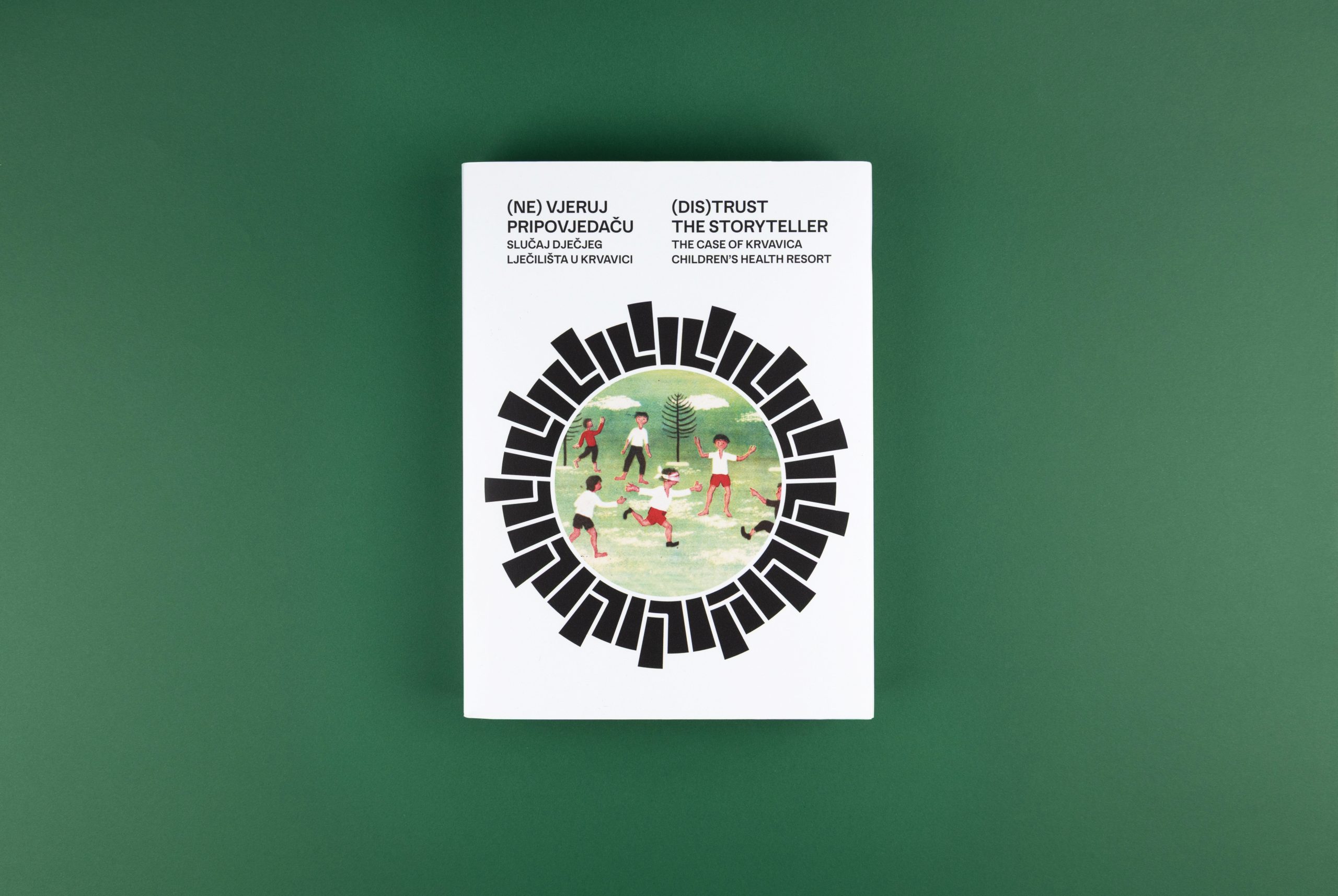
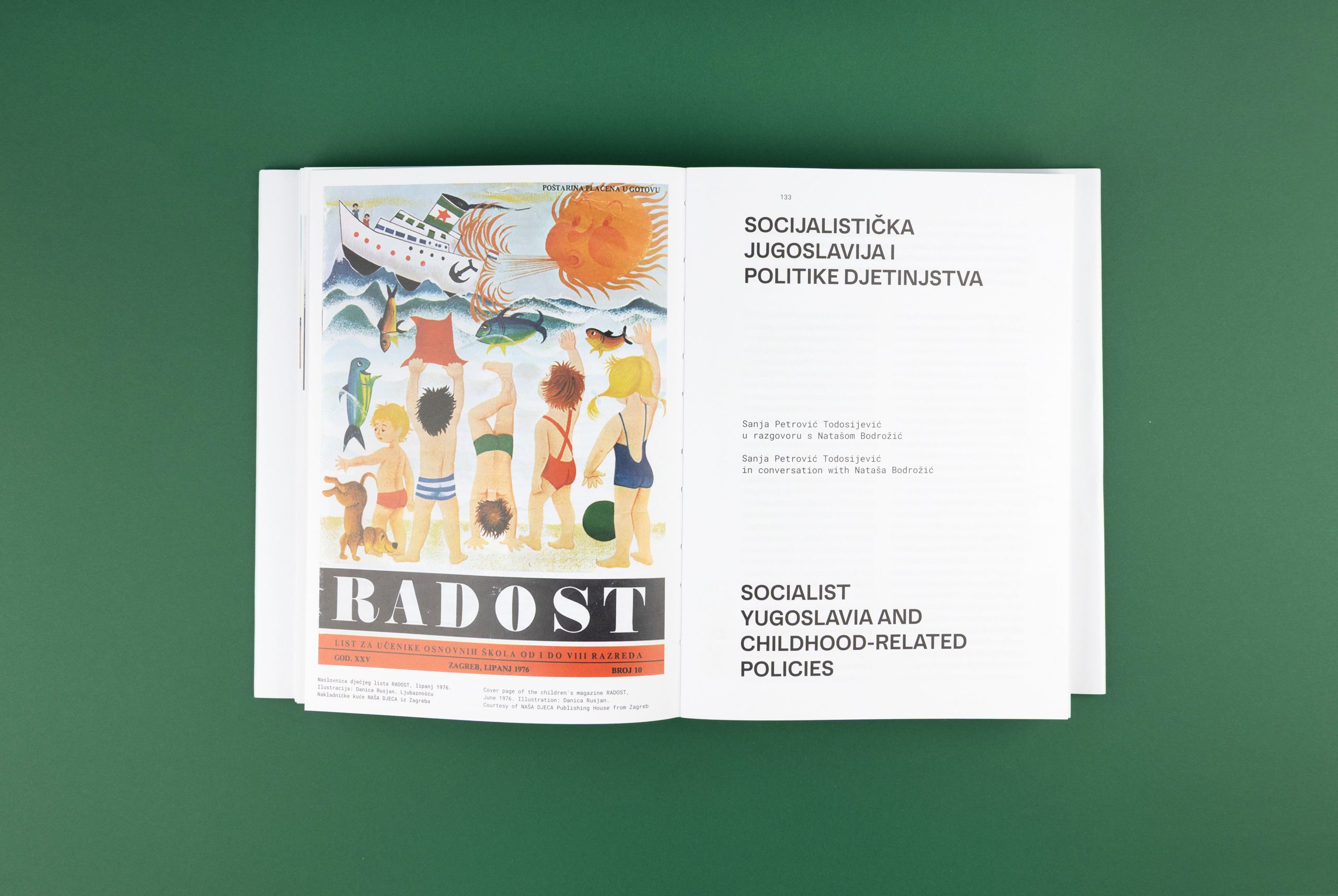
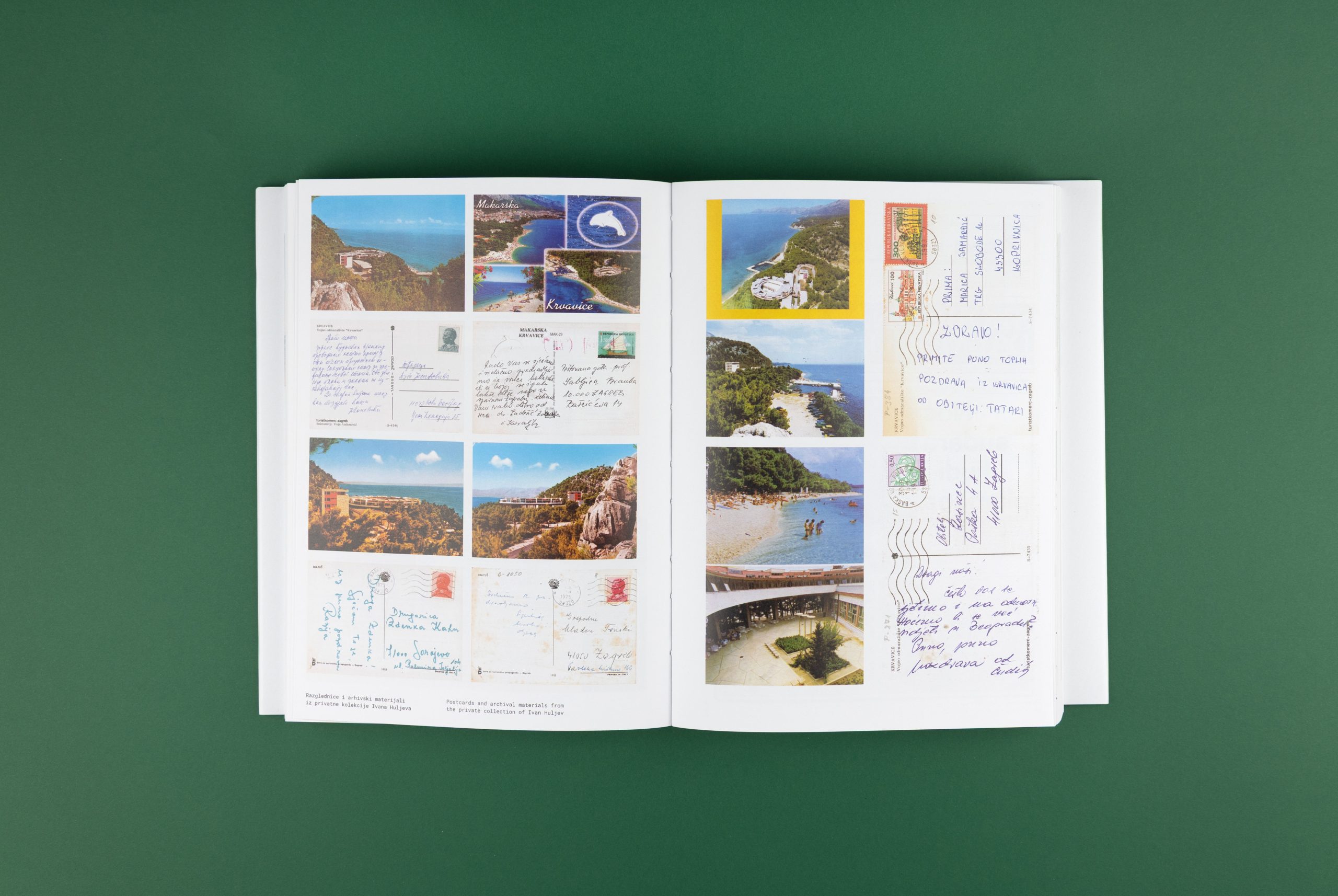
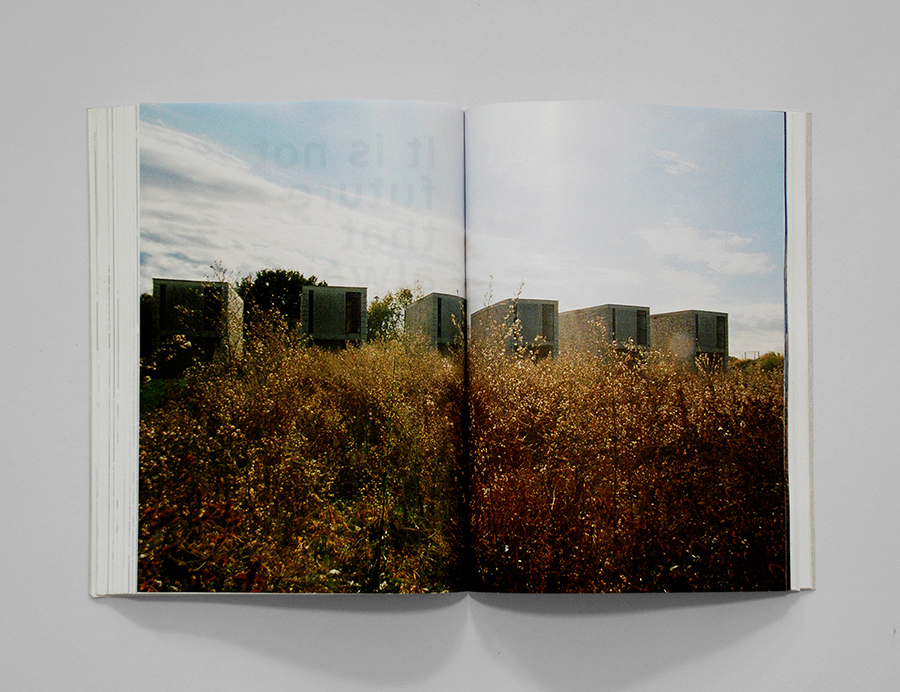
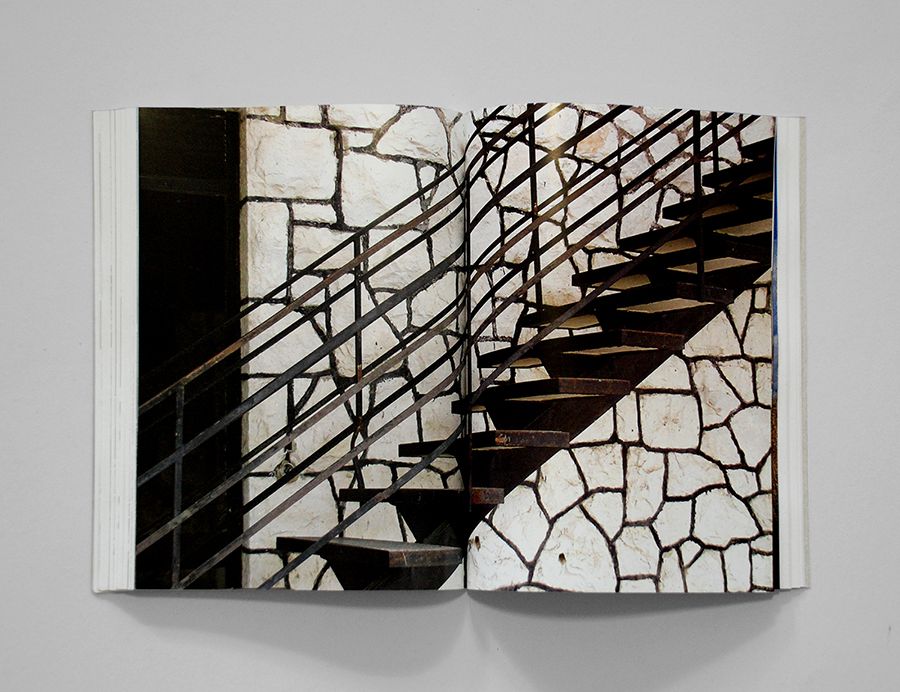
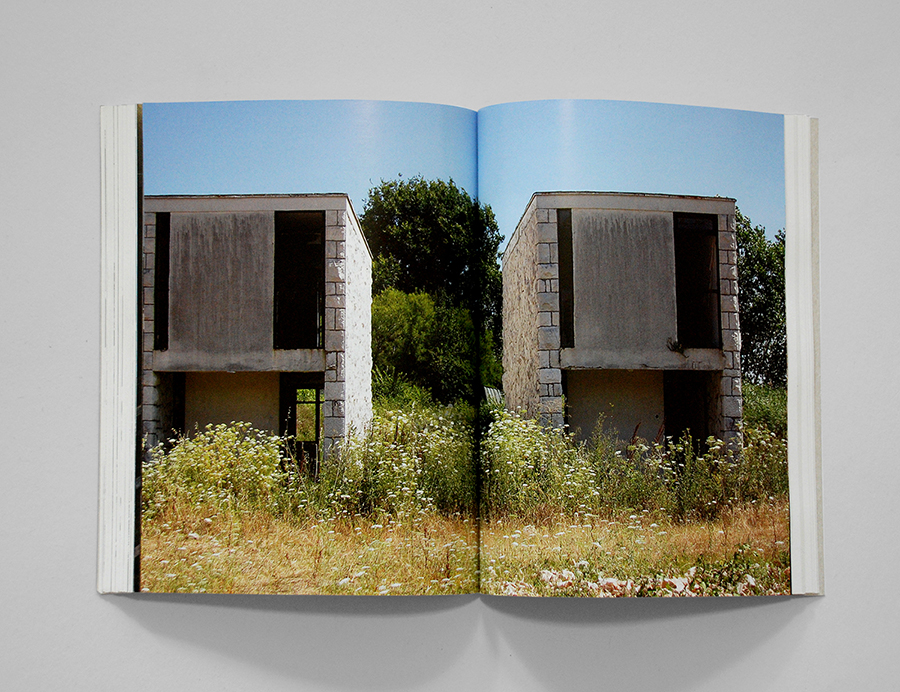
Designed by Rikard Marasović, the Children’s Health Resort in Krvavica near Makarska is a legendary building from the 1960s located on the Adriatic coast. Protected as immobile cultural property, this masterpiece of late Modernist architecture has been gradually decaying since the early 2000s.
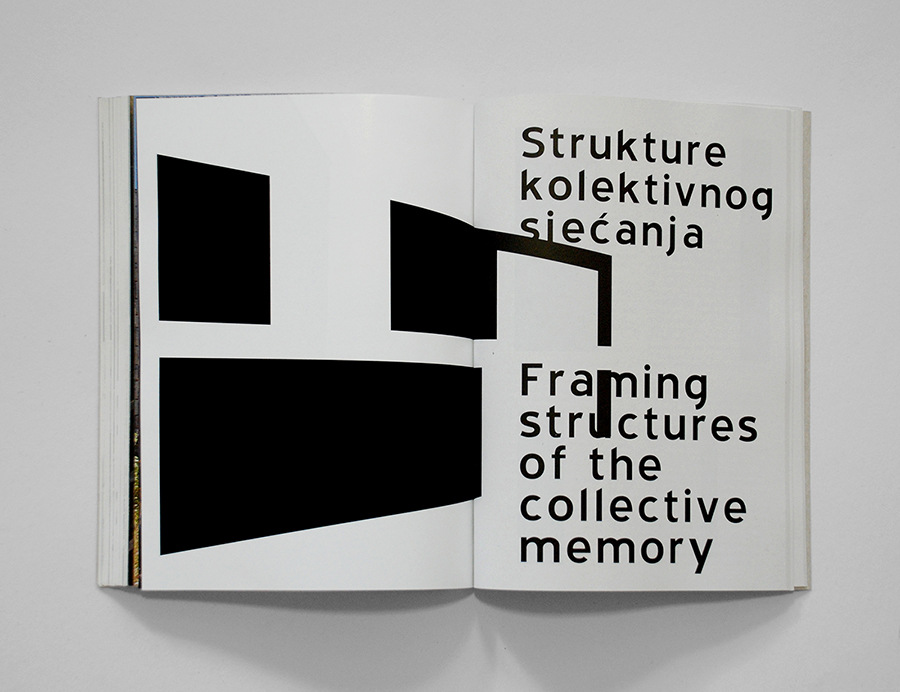
This publication recounts the history of a place and of the real and parallel lives of a building originally intended for the treatment of children with respiratory diseases. The book features interdisciplinary research and texts on the building’s past and on its architect, presented from various angles. It also reflects our attempts to include the participants of the citizens’ initiatives for the protection and revitalisation of the building, as well as to give voice to the tenants of the adjacent apartment block, whose fate is tethered to that of the former resort. The publication’s title is a reference to the ambivalent retelling and (re)articulation of recent social and personal narratives. This is a story of the loss of social and transformation of personal memory caused by radical social changes, and the consequences of these processes.
Format: 170 mm x 237 mm / 6.69 x 9.33 inch
Binding: Hardcover
Pages: 500
Language: English and Croatian
Edition: 600
Color: 4/4
Edited by Nataša Bodrožić and Antonia Vodanović
Graphic design: Nikola Križanac
Publisher: loose associations, Set Margins’
ISBN: 978-90-834498-9-0
Buy (international): https://www.setmargins.press/books/distrust-the-storyteller/
Purchase (in Croatia): slobodne.veze@gmail.com or https://www.upi2mbooks.hr/trgovina/arhitektura/arhitekti/nevjeruj-pripovjedacu-slucaj-djecjeg-ljecilista-u-krvavici/





(Croatian only)
Sunakladnici: Slobodne veze, udruga za suvremene umjetničke prakse i «RADOVAN» Društvo za zaštitu kulturnih dobara Trogira
Za izdavače: Nataša Bodrožić, dr.sc. Danka Radić
Urednica: Lidija Butković Mićin
Istraživanje: Lidija Butković Mićin
Suradnica u istraživanju: Diana Magdić
Autorica tekstova: Lidija Butković Mićin
Autorica teksta o dvije vikend-kuće arhitekta Frane Gotovca: dr. sc. Vesna Perković Jović
Koordinacija, produkcija: Nataša Bodrožić, Saša Šimpraga
Grafički dizajn: Nikola Križanac
Tisak i uvez: Kerschoffset
Naklada: 200
ISBN: 978-953-58895-3-3 (Slobodne veze); 978-953-95088-2-9 («RADOVAN» Društvo za zaštitu kulturnih dobara Trogira)
Zagreb, Trogir
siječanj 2021.
E-publikacija je dostupna na linku: https://slobodneveze.wordpress.com/wp-content/uploads/2019/01/moderna-arhitektura-trogira-e-publikacija.pdf
Tiskano izdanje dostupno je putem emaila: slobodne.veze@gmail.com


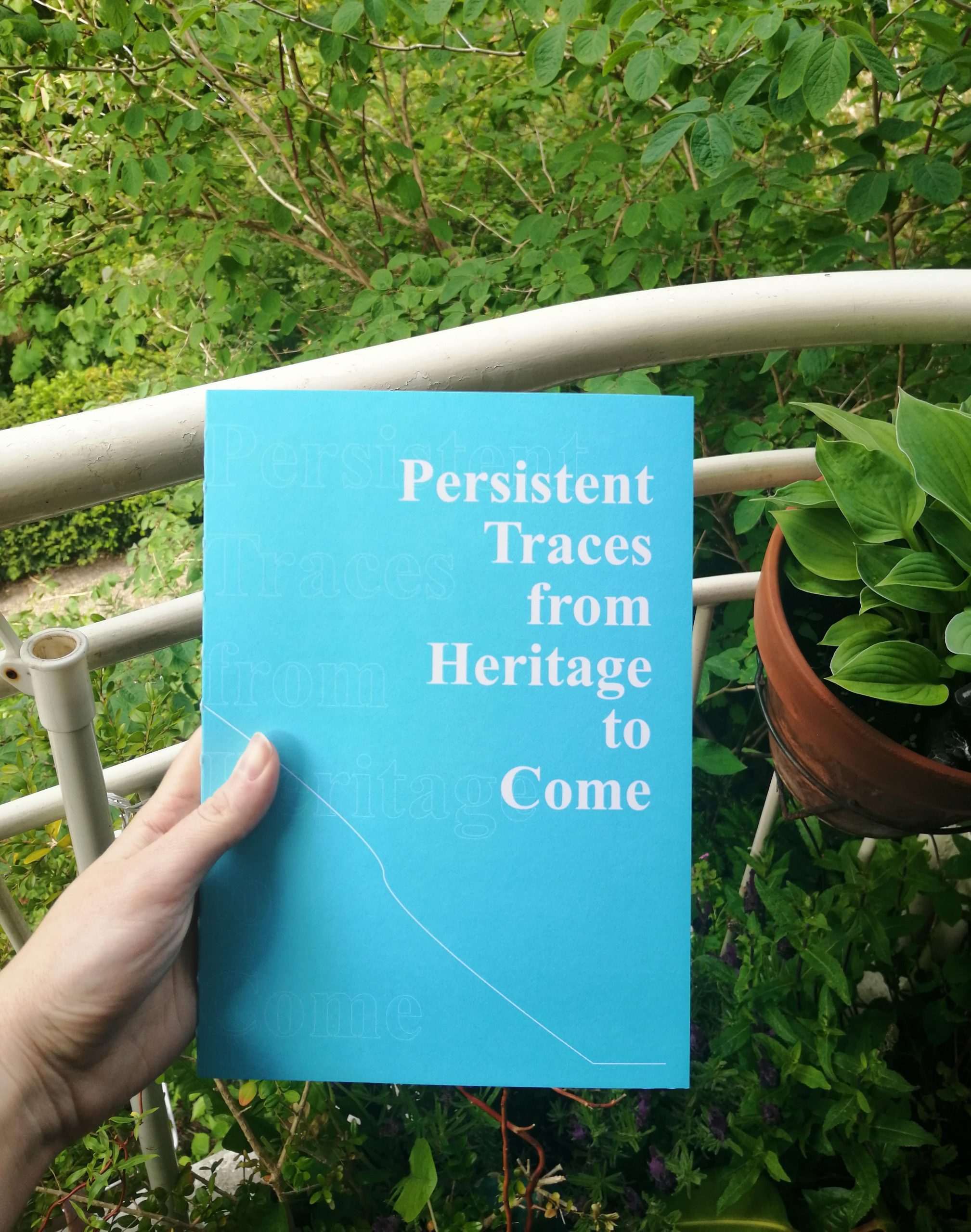
Expanded documentation of the collaborative project Collective Domain of Cultural Memory (2018-2020)
Printed before completing the Collective Domain of Cultural Memory project, this book cannot be seen as a conclusion. Instead the book is a trajectory, a dendritic trail through the artistic practices and methods that were involved in the process of the becoming of the Collective Domain of Cultural Memory. In order to make space for discussing new ways of relating to and understanding cultural heritage, CDCM departs from three local cases in which each of the partner organizations have invested independently for years.
A critical reflection on and examination of the protection of modernist architecture from the second half of the twentieth century in Croatia.
A proposal for a more dissociative logic of archiving in a context of institutional neglect of modern architectural heritage in post-socialist North Macedonia.
And an exploration of unorthodox approaches to cultural heritage collections in the Netherlands.
These independent cases are connected in their methods; they consort with cultural heritage through artistic practices.
Any discussion regarding cultural heritage draws attention to the sociopolitical and cultural tendencies of the specific period from which the heritage originates as well as those of the present moment. Critical artistic practices open up possibilities for nonlinear perceptions of history. This allows us to recognize the discrepancies between the past and the present and to consider the multiplicity of viewpoints within them.
Some of the essays collected in this book represent empirical and theoretical explorations of artistic practices dealing with heritage, while others emphasize the political context in which the relations between heritage and artistic practices emerge, suffer, survive, or bloom. They all offer alternative understandings of cultural heritage in Europe in today's transitional times.
Even though the discourse is stretched towards the locations where each of the partner organizations operates, we see throughout these texts how questions about the status of cultural heritage cross geographical borders.
What can an archive from the Institute for Town Planning and Architecture in Skopje destroyed in a fire, the neglect of Yugoslavian modernist architecture in Croatia, and depots piled high with well-preserved objects in the Netherlands teach us when redefining cultural heritage?
This book presents the unsettled ideas and explorations of the founders and curators of Press to Exit Project Space: Yane Calovski, Loose Associations: Natasa Bodrozic, and Suns and Stars: Marjoca de Greef and Anastasija Pandilovska, which arose in the process of the becoming of the CDCM project. Each partner organization invited a writer; prominent and meaningful voices in the fragmented and wandering discourse of artistic affiliations with cultural heritage. Loose Associations invited Ivana Bago, Press to Exit Project Space invited Jovanka Popova, and Suns and Stars invited Lucy Cotter. Their contributions bring new light to the ongoing project.
Edited by Anastasija Pandilovska & Marjoca de Greef
Contributors: Nataša Bodrožić, Ivana Bago, Jovanka Popova, Yane Calovski, Lucy Cotter, Anastasija Pandilovska, Marjoca de Greef
Graphic design: Anastasija Pandilovska
Publisher: Suns and Stars, Amsterdam
Size: 170 x 240mm
Cover 2×4 pages (double cover)
Inside 72 pages
More information about the CDCM project: http://cdcm.eu/
Get the publication by email: slobodne.veze@gmail.com
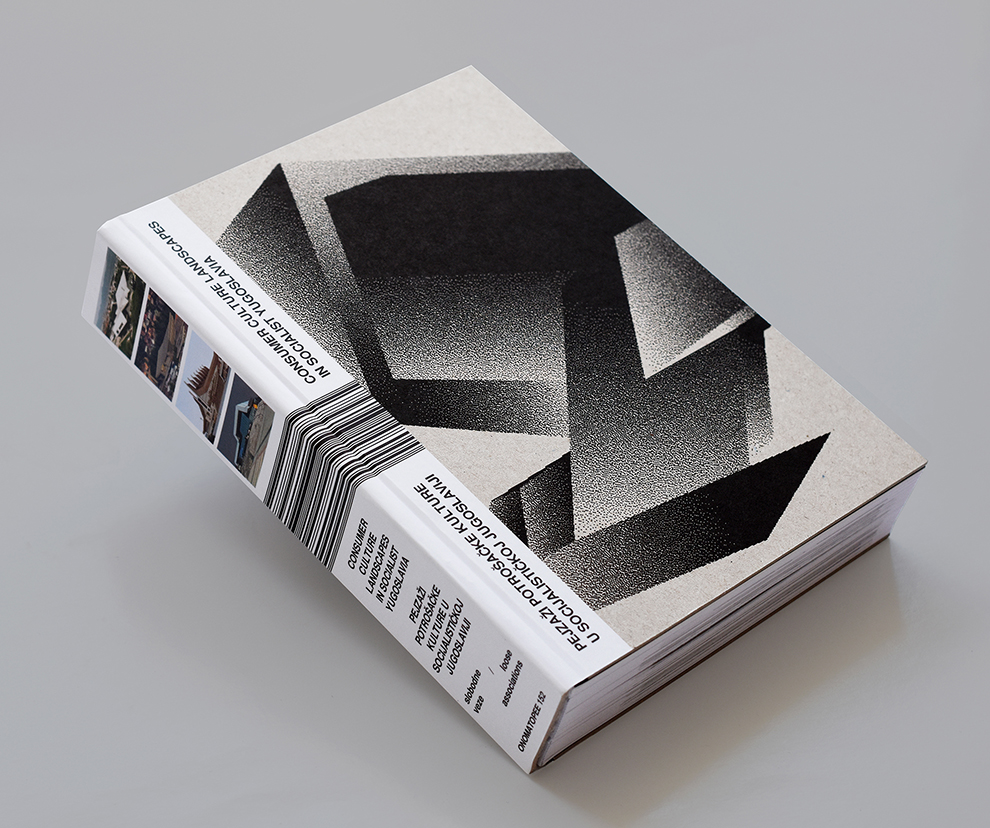
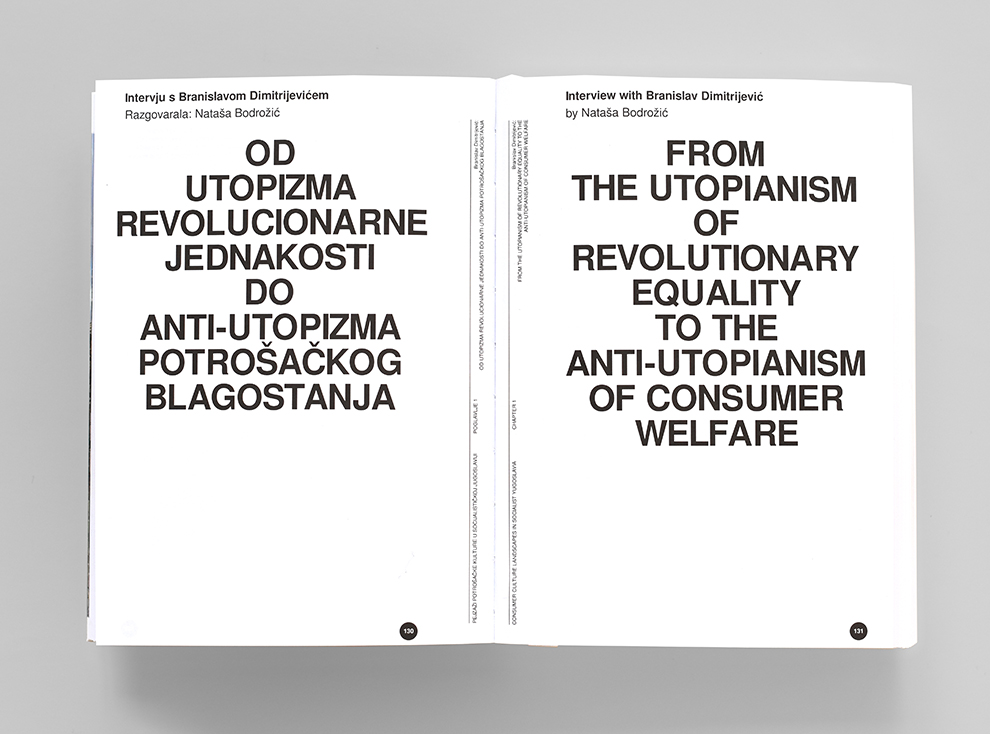
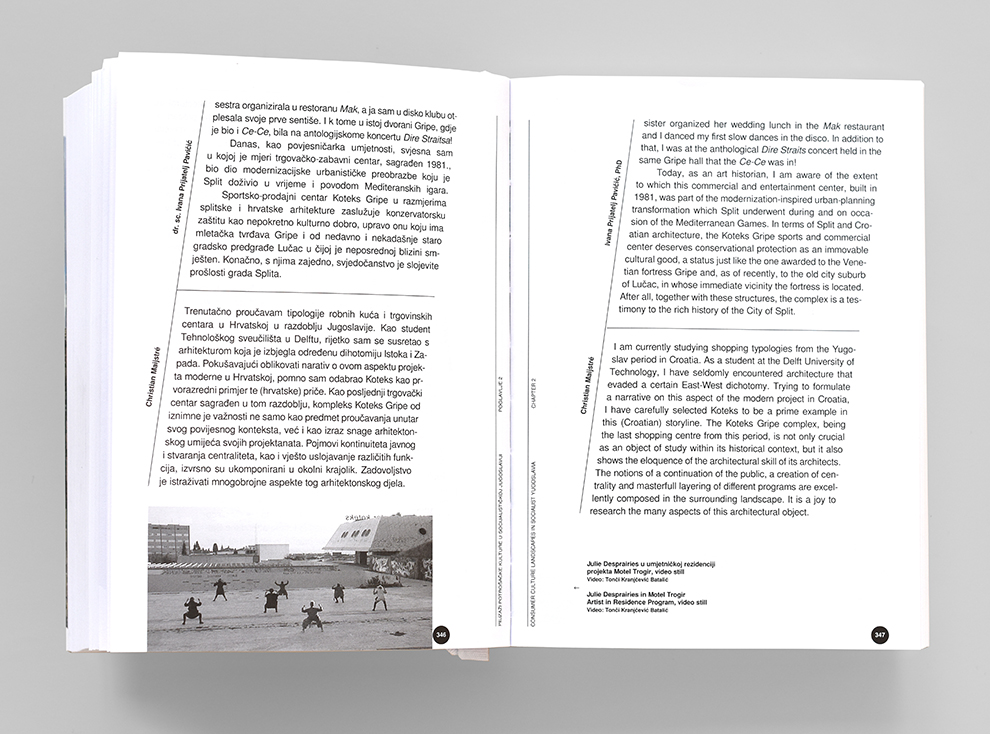
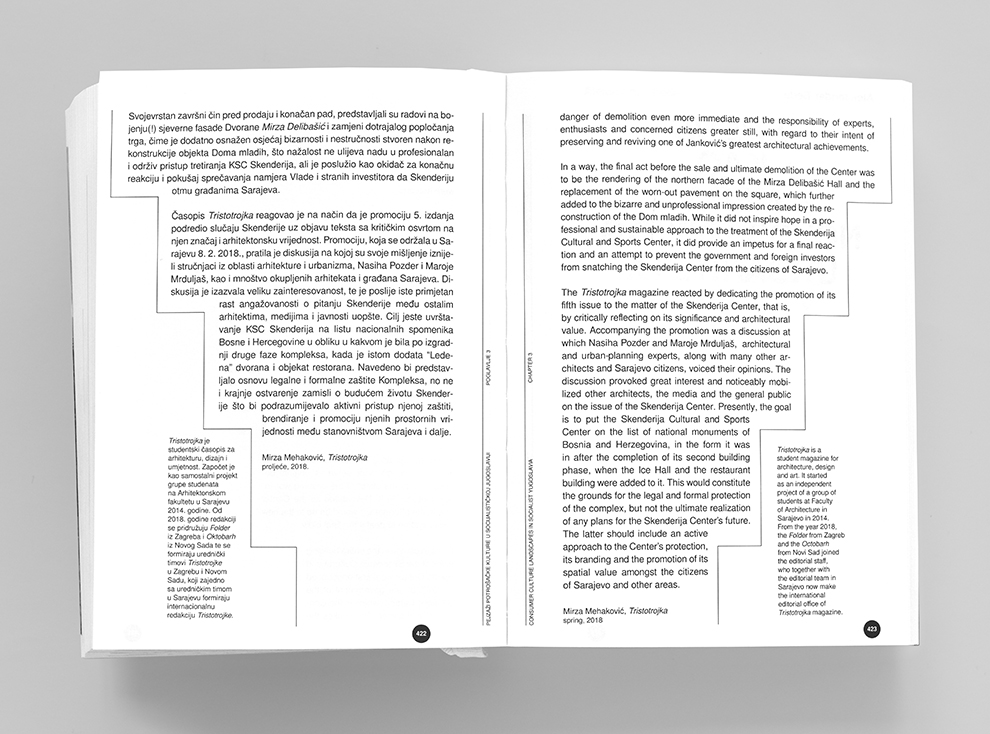
Socialist Yugoslavia was a unique experiment with progressive social forms that were matched by specific urban development. Since the mid-1960’s until the country’s disintegration in the 1990’s is a period of ambiguity: while according to some researchers, the market-oriented economic reforms brought a much needed opening and liberalization, according to others it marked the beginning of an end of the revolutionary demand for equality. Thus, the anti-utopianism of the consumer welfare reflected in
the rise of the middle class with its recognisable habits and taste.
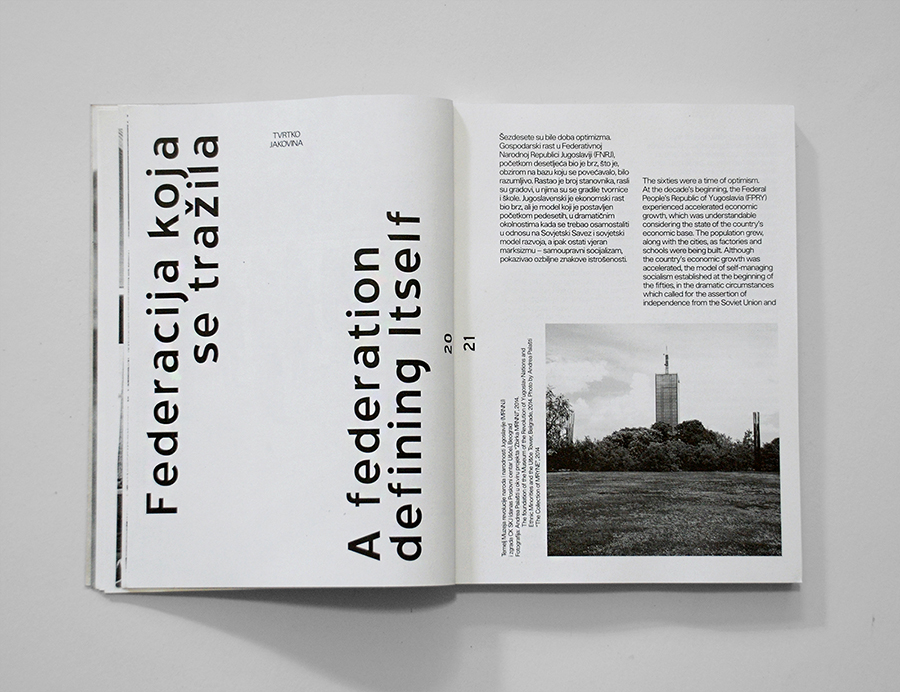
Following a specific architectural typology, this book delves into this period which brought along social and economic changes.
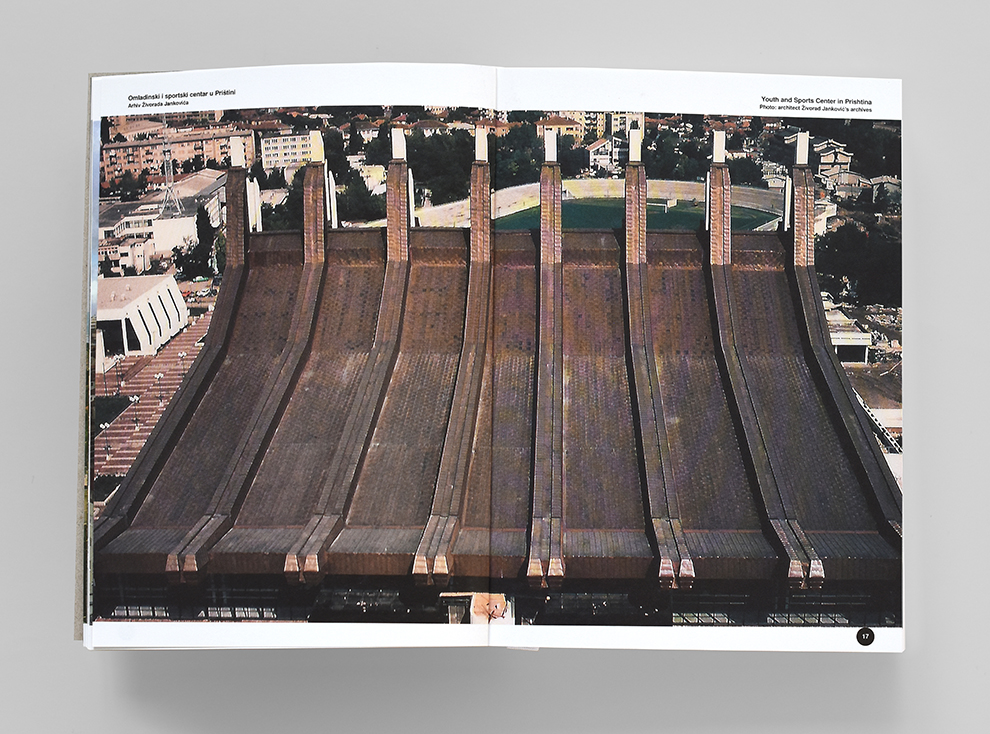
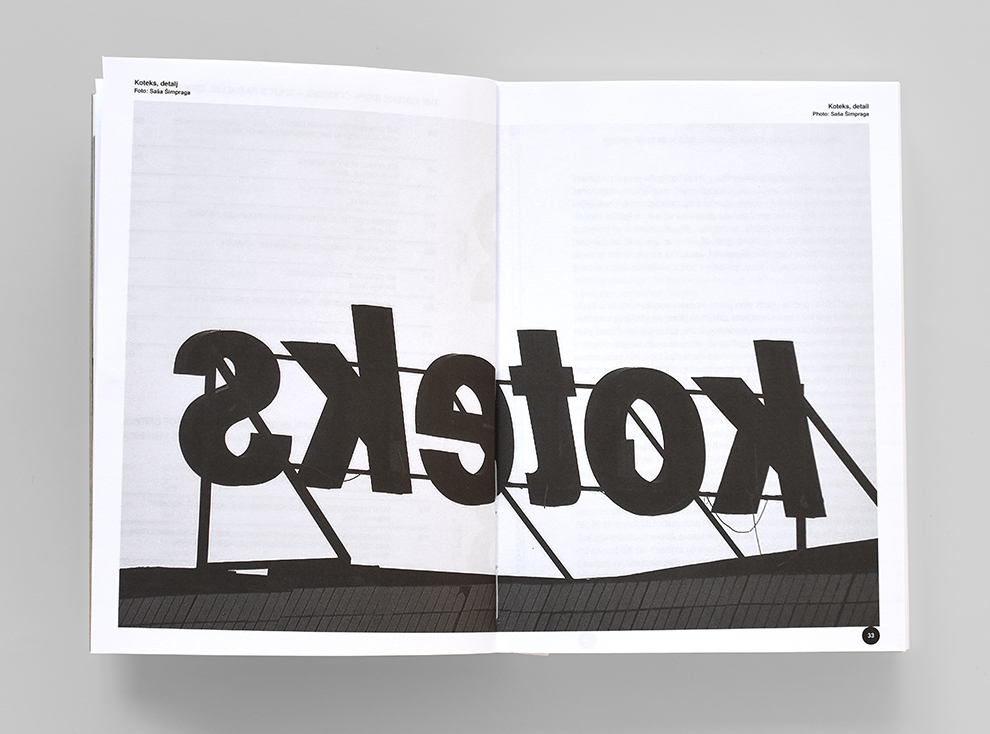
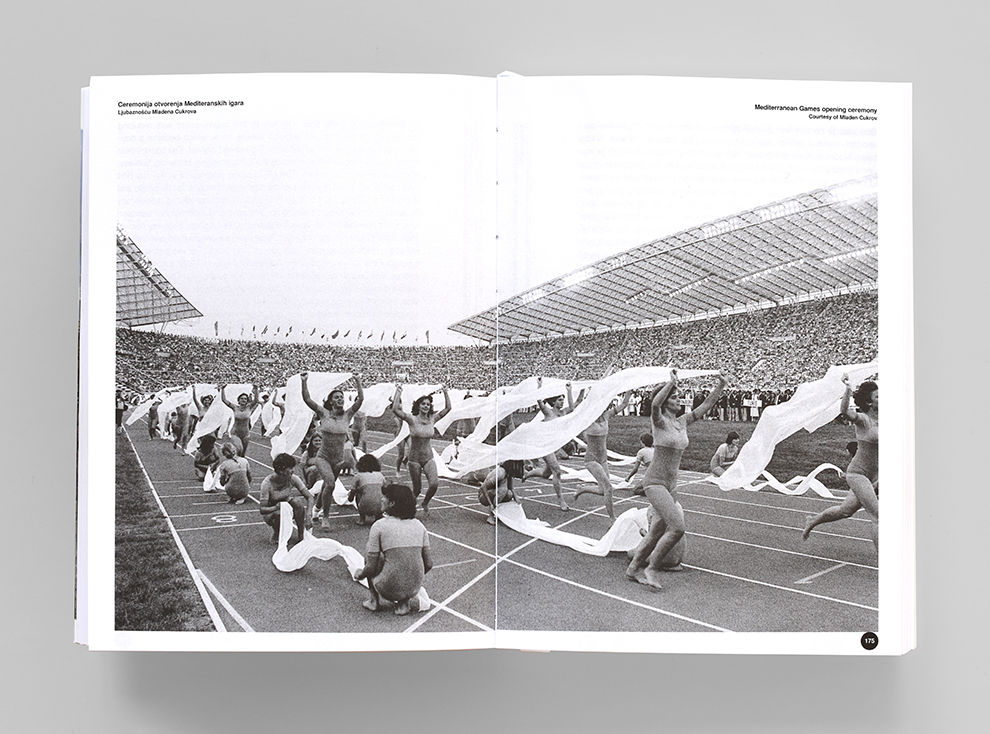
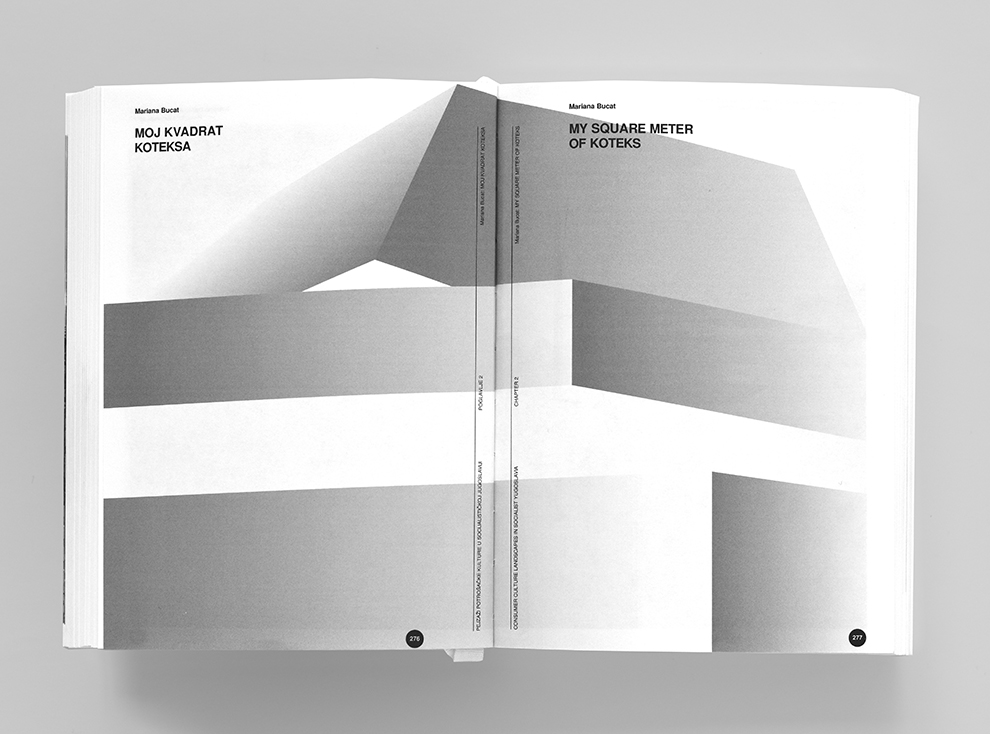
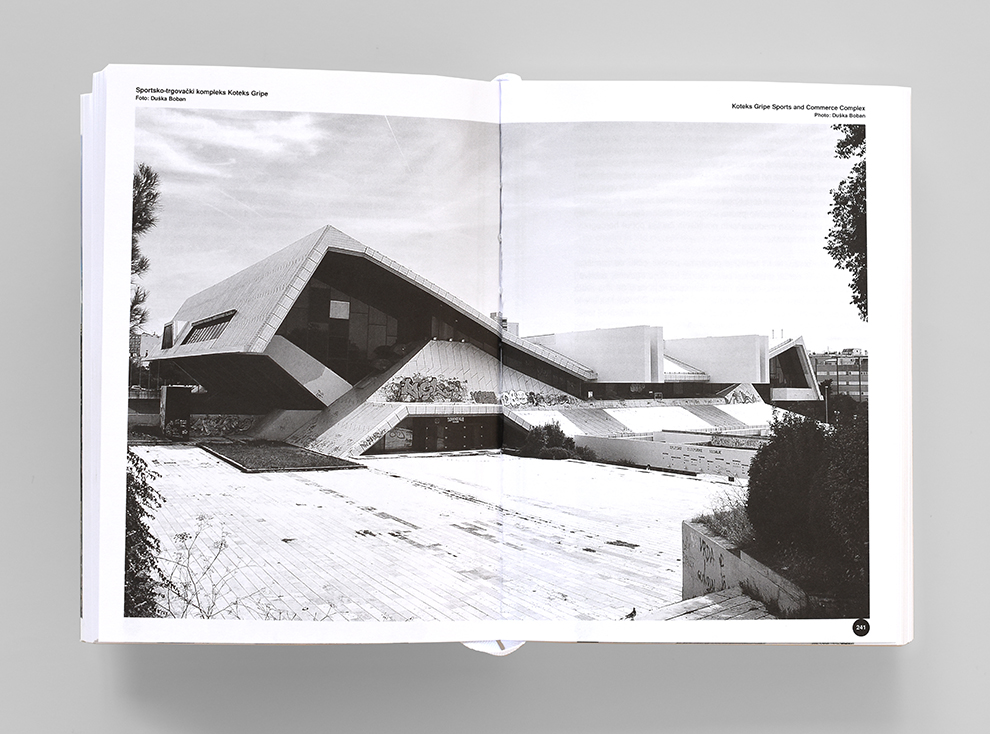
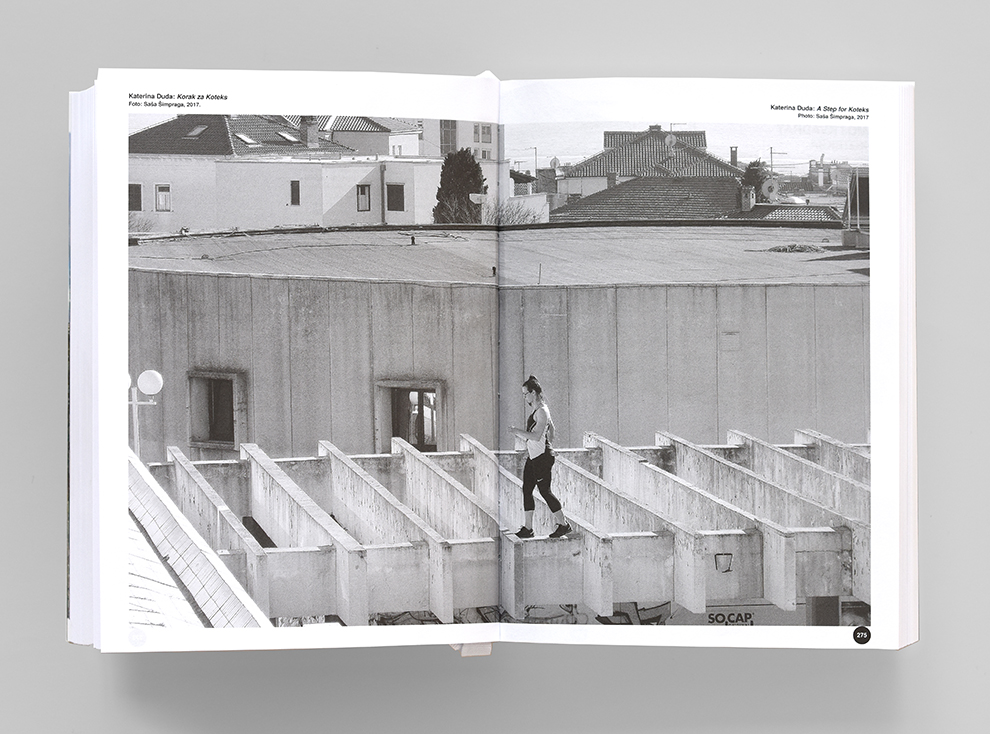
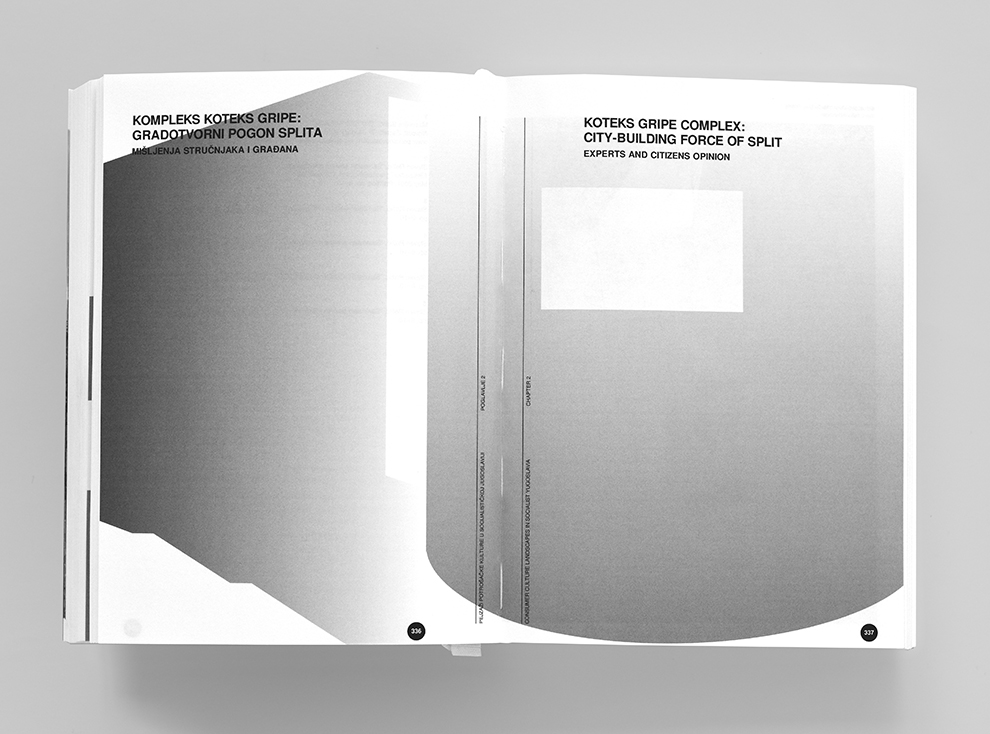
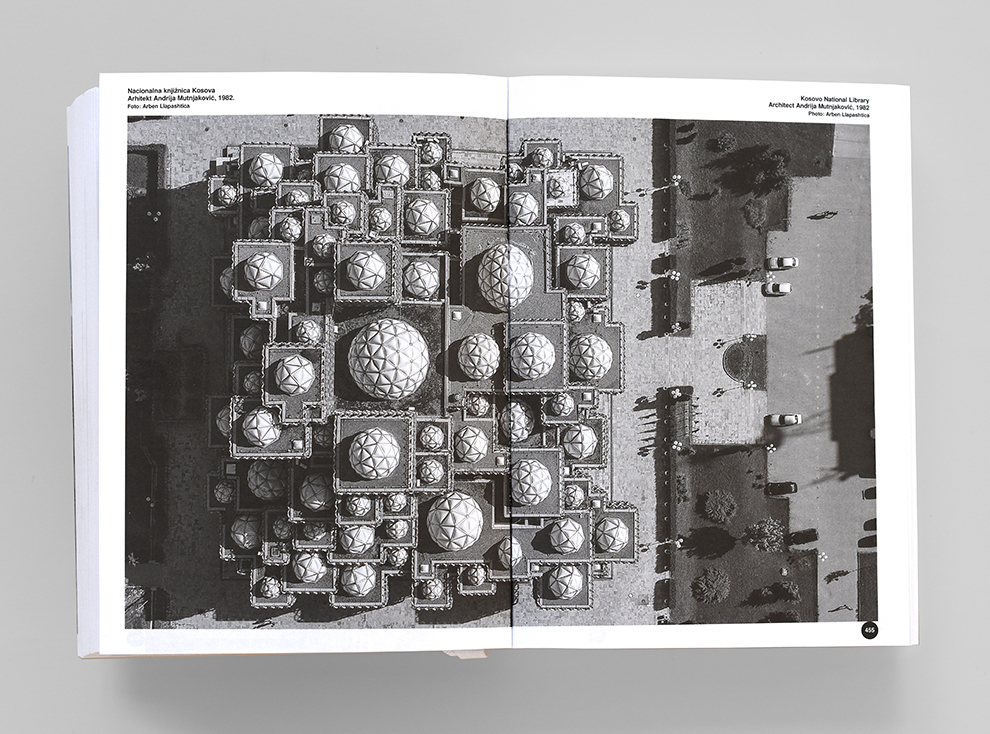
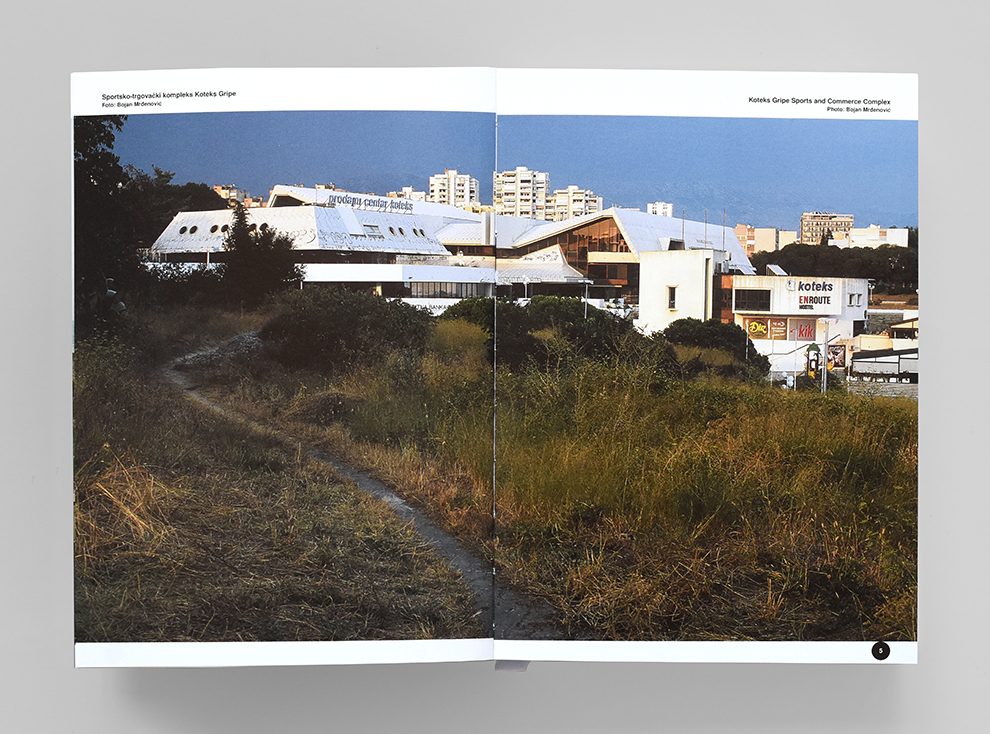
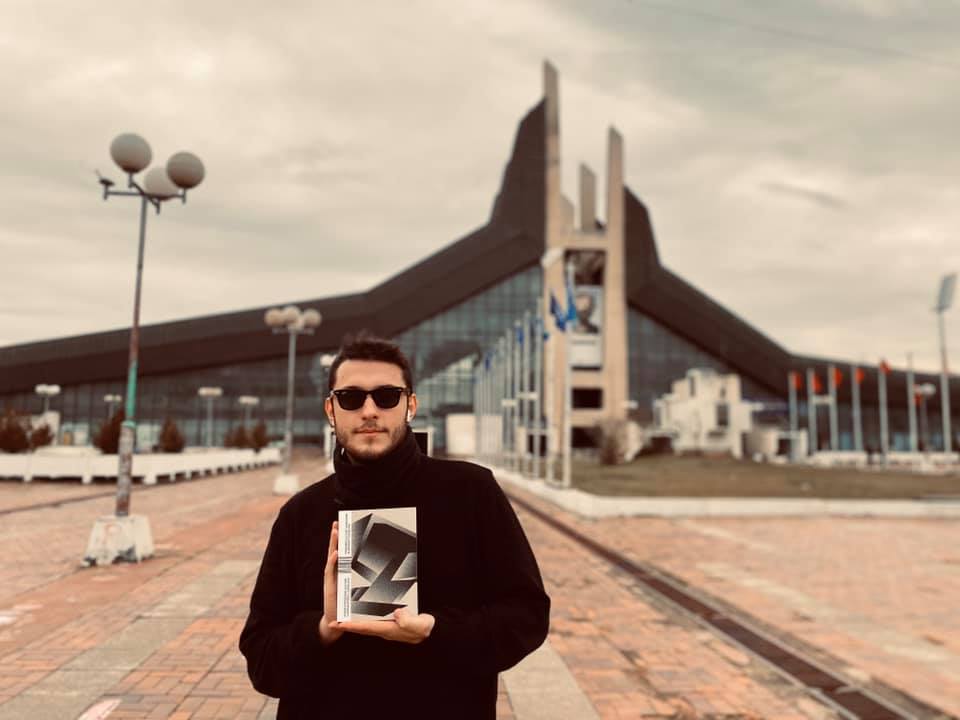
It focuses on the sports and shopping centre Koteks Gripe in Split and similar architectural complexes in Sarajevo, Novi Sad, and Prishtina all designed by the Sarajevo-based architect Živorad Jankovic and associates, gradually expanding towards broader considerations of the architectural practice, contention and coalescence within the Yugoslav modernist project.
Publishers: loose associations, Onomatopee 152
Editors: Nataša Bodrožić, Lidija Butkovic Mićin, Saša Šimpraga
Graphic design: Rafaela Dražić
Language: Croatian / English
Pages: 488
ISBN 978-94-93148-00-0
Order at: www.onomatopee.net

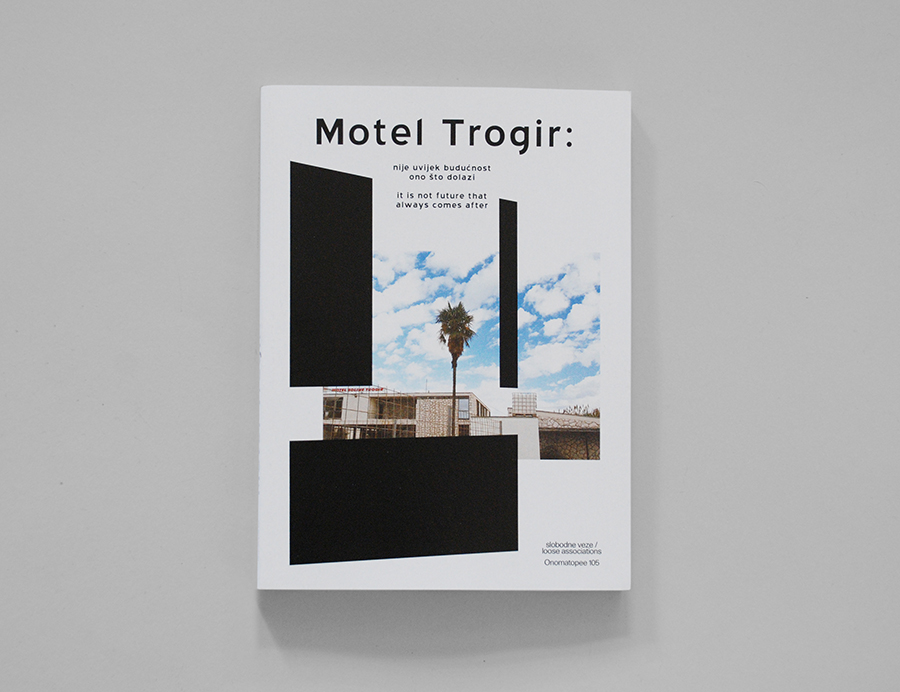
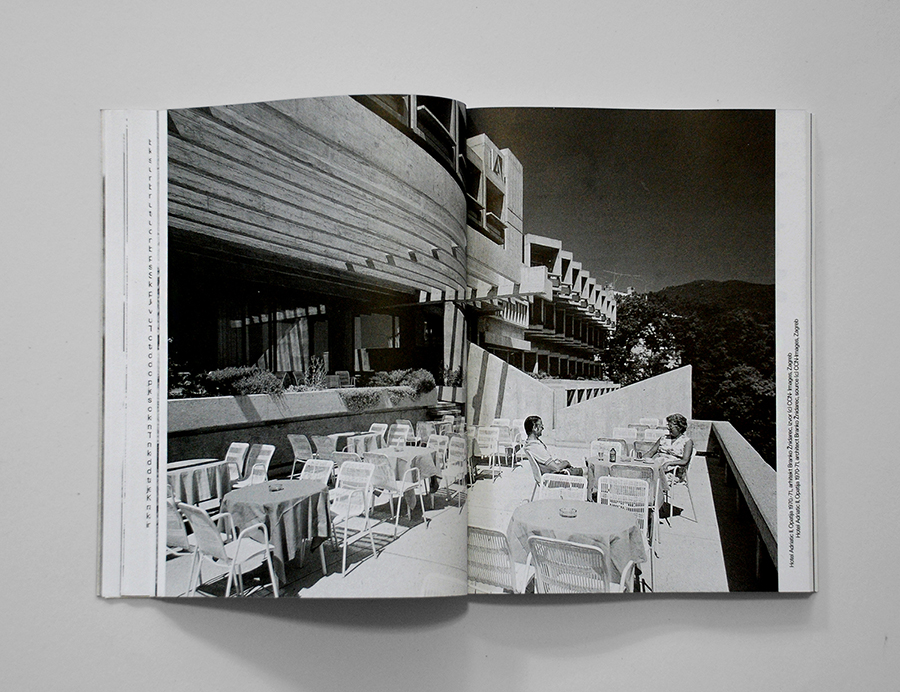
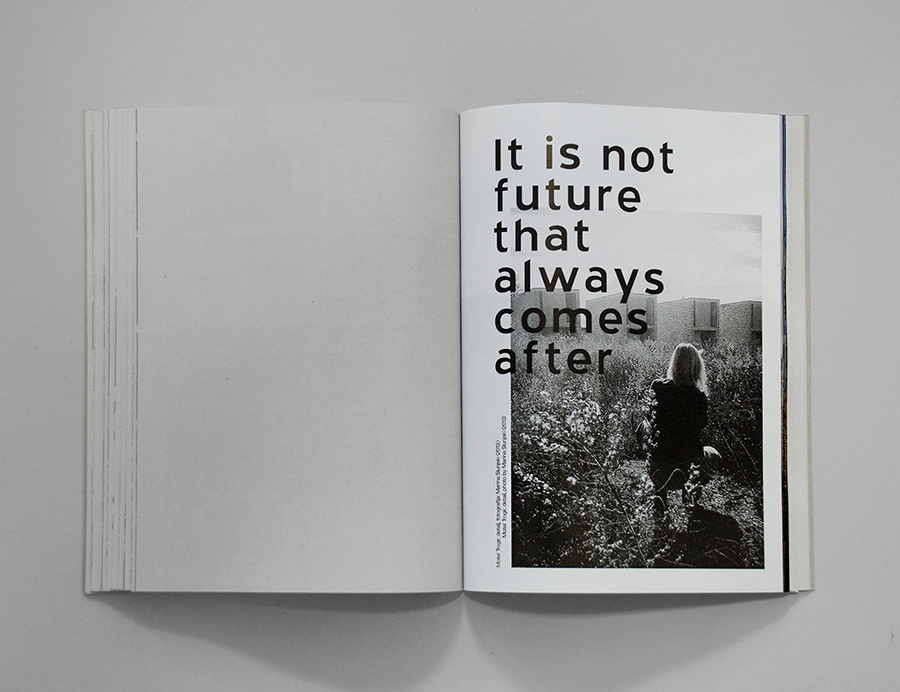
Motel Trogir is a fine example of Yugoslav mid-20th century architectural modernism. Built in 1965 on the eastern Adriatic coast by a renowned architect Ivan Vitic, the building is a surviving artefact of the planning culture with a social ideal as its generative core. Today in a derelict state due to unresolved property issues, as a result of the non-transparent privatization of what once was societal ownership, the motel stands as a reminder of the former political economy with its different foundations and aspirations.
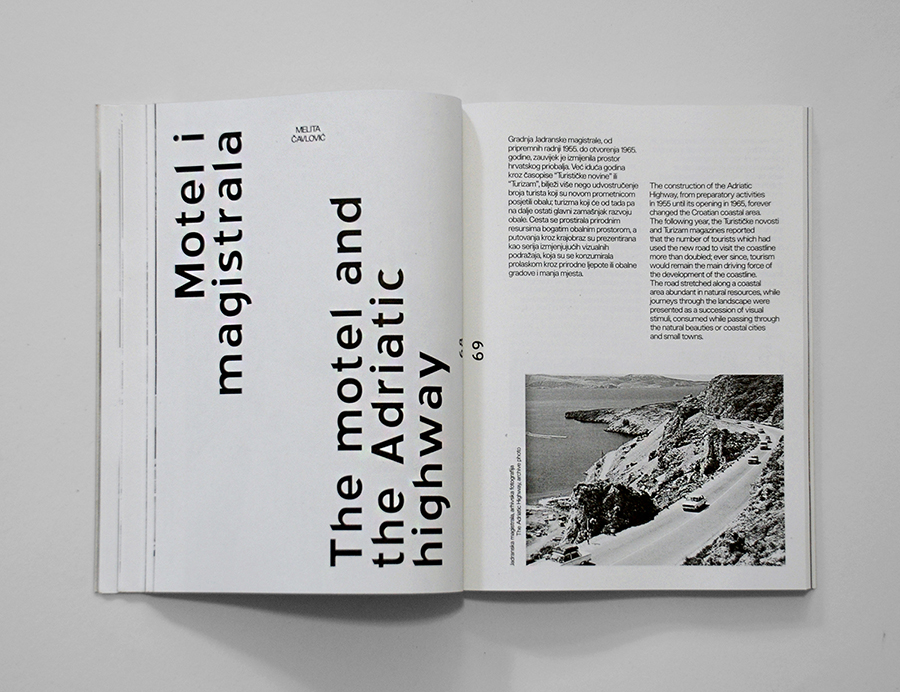
Conceived during a period of markedly increased transit tourism in the small Dalmatian town of Trogir, the construction of the Motel had been planned in parallel with that of the Adriatic Highway. It was envisaged as one of the performative elements that would fit within the utopian vision of the Highway imagined as a feature film unfolding on the travelers’ windscreens. Although visionary, the building and the belonging “emptiness” around it, seem like an abnormal error in the urban imagination of present-day administrators, real estate developers and entrepreneurs.
This book tells the story of the 1960s in the Socialist Yugoslavia, the country in between the East and the West, between the socialist agenda and the market economy. Focusing on tourist architecture and planning, it pursues the turbulent decades that followed, reflected in Ivan Vitic’s Adriatic motels.
Publishers: loose associations, Onomatopee 105
Editors: Nataša Bodrožić and Saša Šimpraga
Graphic design: Rafaela Dražić
Language: Croatian / English
Pages: 224
ISBN 978-94-91677-54-0
Purchase at: www.onomatopee.net
project by k.r.u.z.o.k. (Irena Borić, Fokus Grupa, slobodne veze/ loose associations)
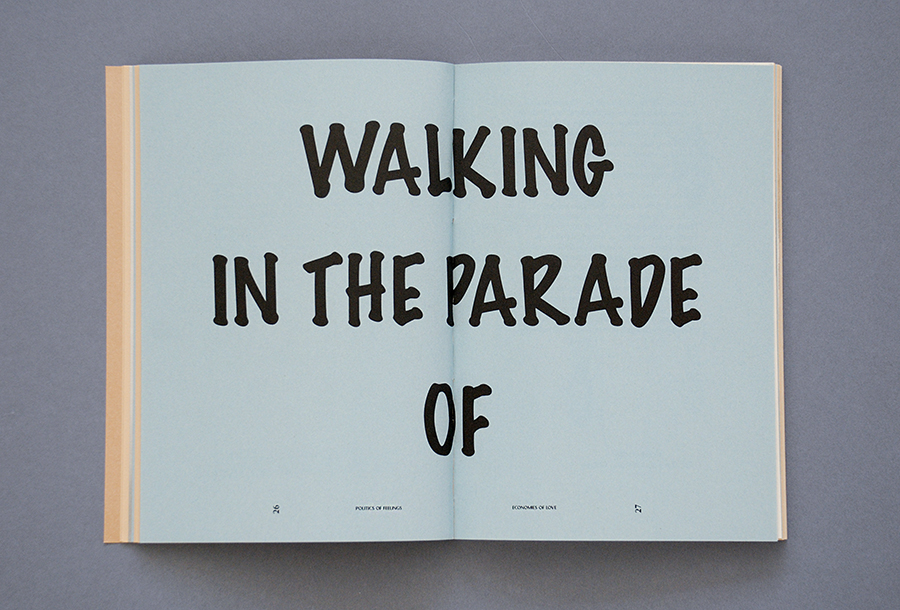
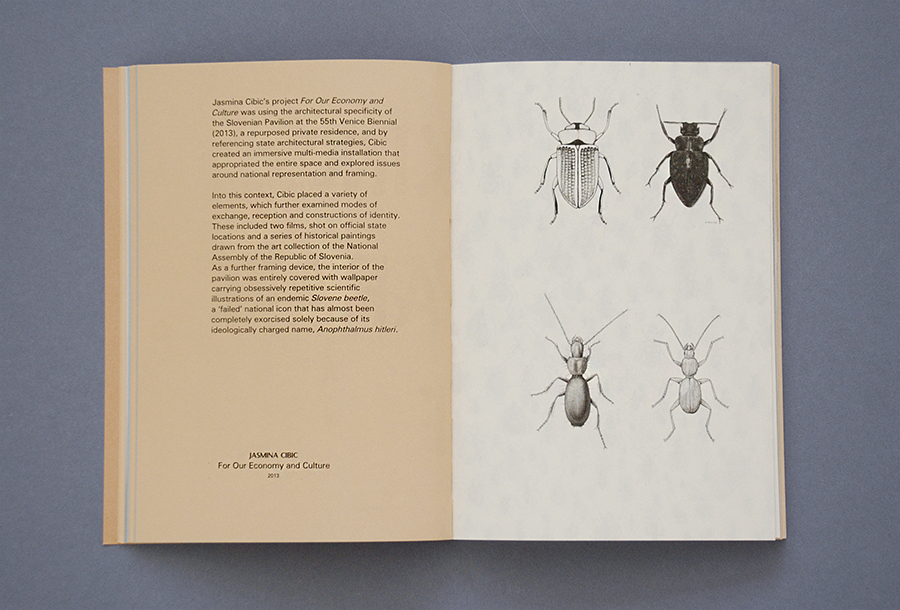
Politics of Feelings / Economies of Love publication brings about a set of reflections on the possible relation between ideology and social emotions, sexuality and nationalism, love and emotional community within nationalist and/or market fundamentalism.
In attempts to find out how these issues were tackled in film, visual arts and architecture, we are trying to draw some new lines of understanding love as a tissue in which political, social, ideological and economic meanings are inscribed.
This publication is composed of visual and textual contributions which unfold different chapters on the entanglement of politics and collective sentiment, as well as love as a trigger for dedicated unpaid work.
Format: 13.5 x 19.5 cm
Binding: Softcover
Pages: 124
Print: three colours
Edited by: Nataša Bodrožić and Irena Borić
Graphic design: Rafaela Dražić
Publishers: loose associations, Onomatopee 104
ISBN: 978-94-91677-24-3
Buy: www.onomatopee.net



Expanded documentation of the SPACES project (2011-2014)
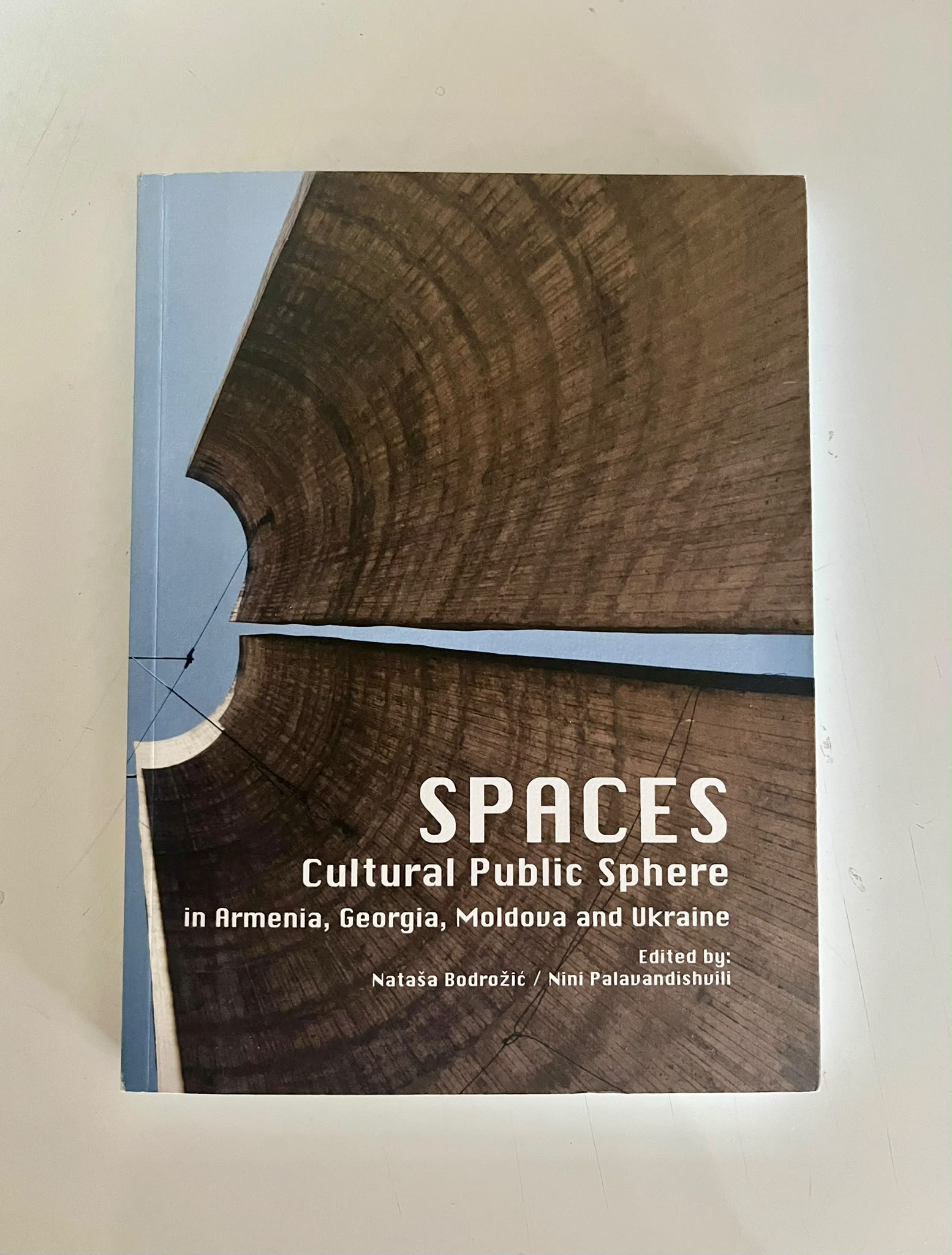
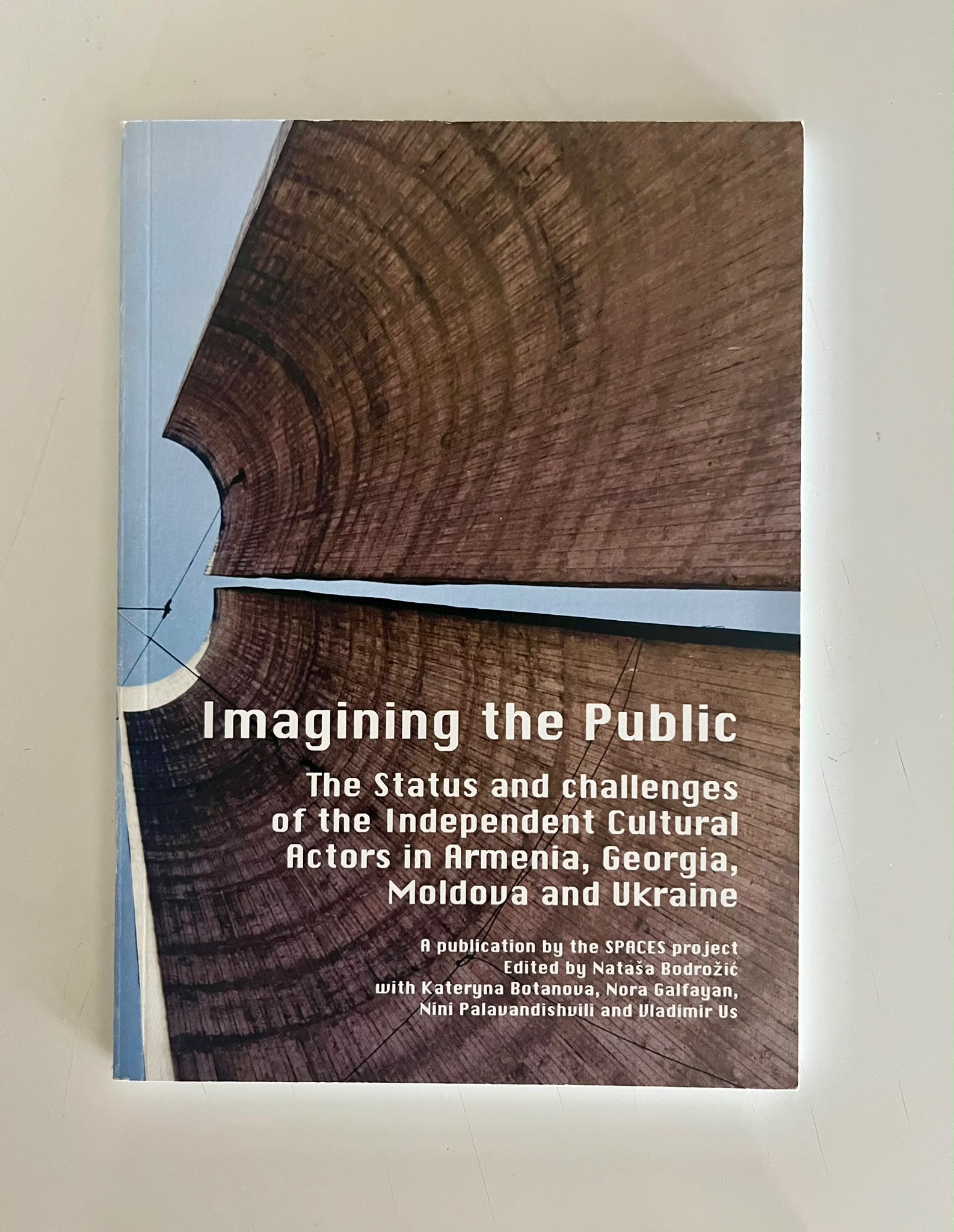
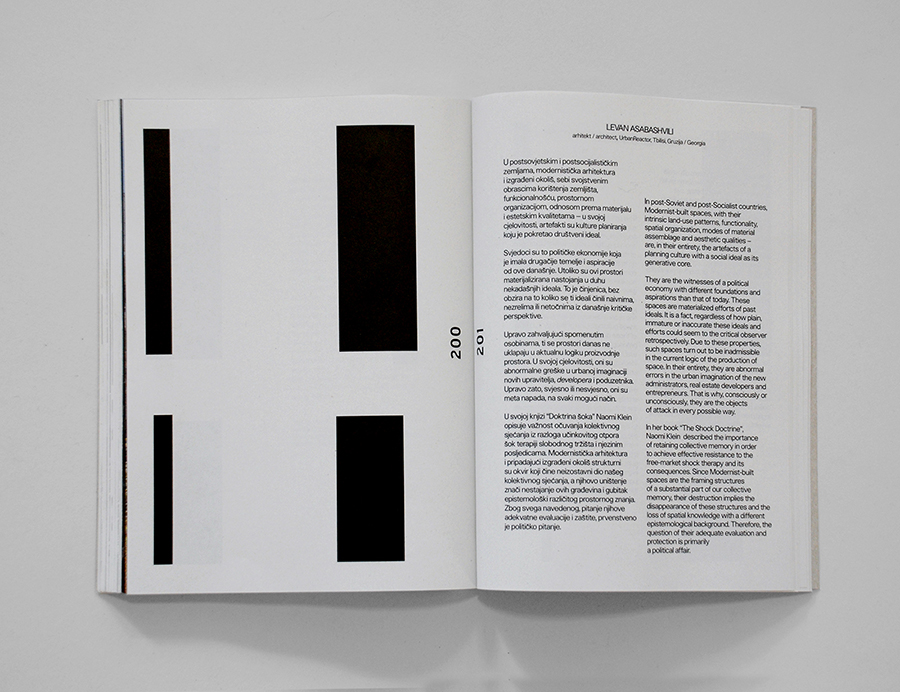
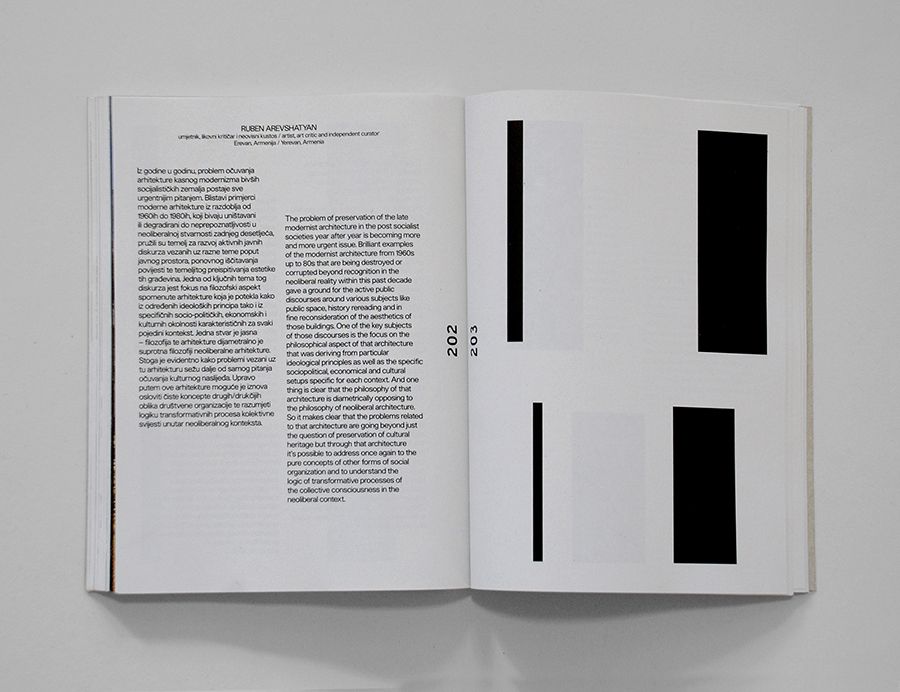
This publication explores the development of a cultural public sphere in Central Eastern Europe. Framed by reflections on the past, it invites the reader to follow the contemporary experiences of the project SPACES – Sustainable Public Areas for Culture in Eastern Countries, which developed numerous participative artistic and cultural actions in Armenia, Georgia, Moldova and Ukraine from 2011 until 2014. From underground passages in Tbilisi, Georgia, to places of memory in Yerevan, Armenia, derelict industrial zones in Kyiv, Ukraine, and areas of urban conflicts in Chisinau, Moldova: the artistic interventions presented in this volume mirror the social transformation processes in post-Soviet Europe and the positioning of artists in the struggle for change and for new, empowered forms of citizenship.
With contributions by Ruben Arevshatyan, Nataša Bodrožić, Kateryna Botanova, Oleksandr Burlaka, Heidi Dumreicher, Nora Galfayan, Ina Ivanceanu, Bettina Kolb, Aleksandra Krauze, Richard S. Levine, Nini Palavandishvili, Lali Pertenava, Oleksiy Radinski, Stefan Rusu, Vitalie Sprinceana, Taguhi Torosyan, Vladimir Us.
Edited by Nataša Bodrožić and Nini Palavandishvili
Published by Verlag Bibliothek der Provinz, Weitra, Austria
English edition
23 x 17 cm / 208 pages / softcover
Images in colour and b/w
Print run: 2000
Printed in Austria
ISBN: 978-3-99028-425-4
Get the publication by email: slobodne.veze@gmail.com